

Introduction
Over 800 million people use ChatGPT every week. Perplexity now processes over 100 million queries per day. Google’s AI Overviews appear on the majority of informational search results. And here is the uncomfortable truth for every business owner: if your website is not showing up in these AI-generated answers, you are invisible to a rapidly growing segment of buyers.
Traditional SEO — optimise for keywords, build backlinks, get Google rankings — is not dead. But it is no longer sufficient. In 2026, you need Generative Engine Optimization (GEO): a strategy to ensure your content is cited, recommended, and surfaced by AI search systems.
This guide explains exactly what GEO is, why it is different from SEO, and gives you a step-by-step checklist to implement it on your website.
What Is Generative Engine Optimization (GEO)?
Generative Engine Optimization (GEO) is the practice of structuring your content and website so that AI language models — ChatGPT, Perplexity, Claude, Google Gemini — surface your brand in their responses when users ask relevant questions.
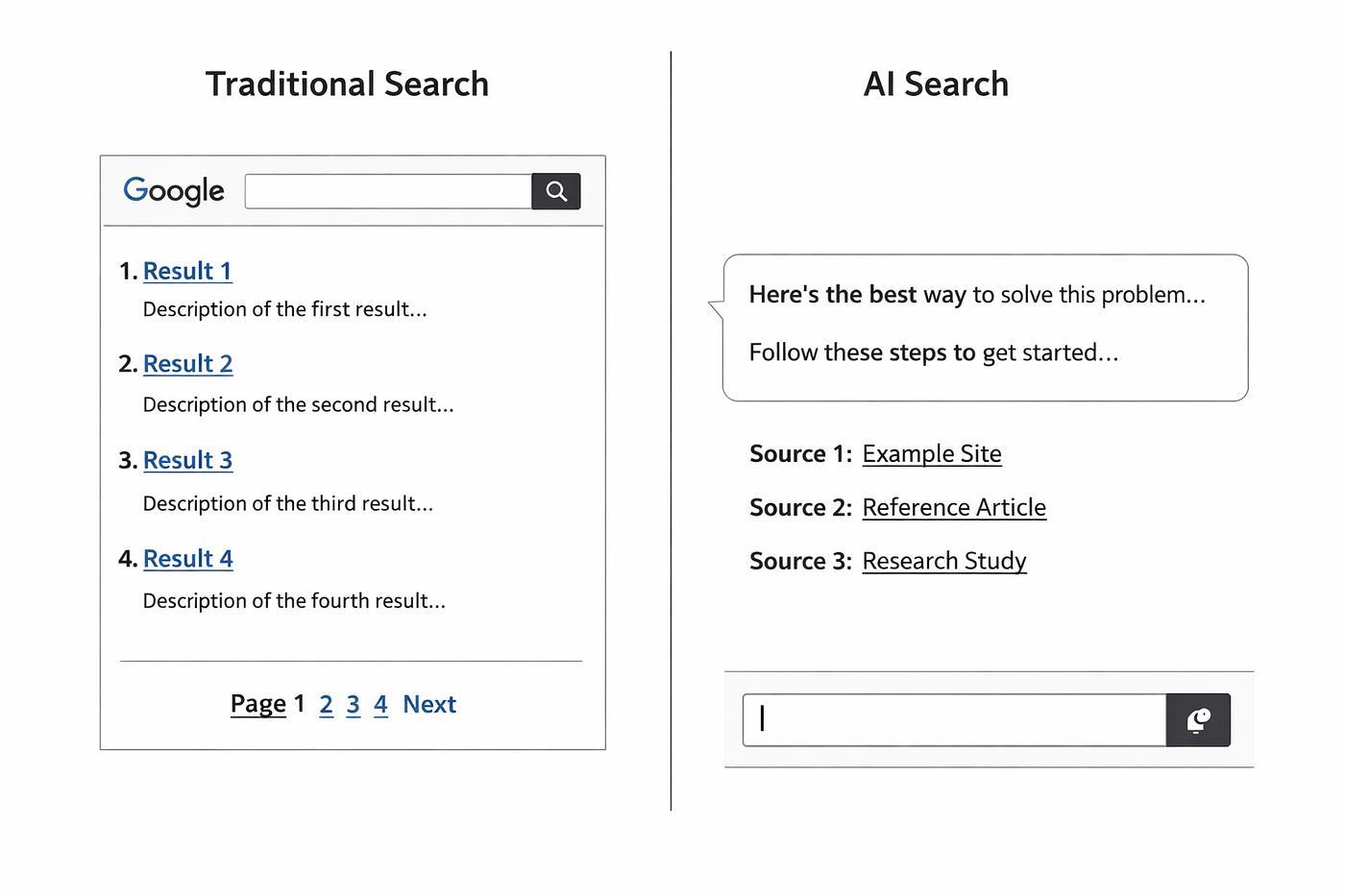
Traditional SEO gets you a blue link on a search results page. GEO gets your content referenced as a source inside an AI-generated answer that the user never has to click away from.
The difference matters because AI-powered search features have reduced organic click-through traffic by 15–64% in certain categories. The user gets their answer from the AI without visiting any website. The only businesses that benefit from this are those whose content the AI draws from.
GEO vs Traditional SEO: Key Differences
| Factor | Traditional SEO | GEO (2026) |
|---|---|---|
| Goal | Rank on page 1 of Google | Be cited inside AI answers |
| Optimised for | Search engine crawlers | AI language models |
| Key signals | Backlinks, keywords, page speed | Factual accuracy, structured data, entity trust |
| Content format | Long-form keyword-rich articles | Clear Q&A, definitions, schema markup |
| Measurement | Organic rankings and clicks | AI citation frequency, brand mentions in AI outputs |
| Time to result | 3–6 months | 4–12 weeks for initial citations |
The 5 GEO Signals That AI Engines Use
1. Factual accuracy and verifiability
AI engines prioritise sources that make accurate, verifiable claims. Avoid vague statements. Replace ‘our campaigns perform well’ with ‘our campaigns achieved a 40% reduction in cost-per-lead for a UAE real estate client in Q1 2026’. Specificity is trust.
2. Structured data (schema markup)
JSON-LD schema tells AI crawlers exactly what your content is — an article, a FAQ, a product, a local business. Without schema, an AI has to infer the structure. With schema, you are telling it directly. Implement Article, FAQ, Organization, and BreadcrumbList schema on every blog post.
3. Entity recognition and brand consistency
AI engines build a model of entities — people, companies, places, products. If your business name, address, and phone number are inconsistent across your website, Google Business Profile, LinkedIn, and directories, AI engines treat you as less authoritative. NAP consistency is foundational to GEO.
4. Semantic depth on your topic
A single 500-word article does not establish authority. A cluster of 8–12 deeply researched articles covering every angle of a topic signals to AI that your website is a genuine expert on the subject. This is called topical authority. Build content clusters, not isolated posts.
5. Citation and external references
When authoritative sources — news sites, industry reports, academic papers — link to or reference your content, AI engines view your content as more credible. Prioritise getting cited in industry publications, contributing expert quotes to journalism outlets, and building a digital PR profile.
GEO Implementation Checklist
- Add Article JSON-LD schema with headline, author, publisher, datePublished
- Add FAQPage JSON-LD schema — every FAQ section in every blog
- Add Organization schema on every page with name, url, logo, sameAs (LinkedIn, Twitter)
- Add BreadcrumbList schema for navigation structure
- Ensure all NAP data (Name, Address, Phone) is identical across site, GMB, and directories
- Submit each published blog to Google Search Console for indexing
- Create internal links from new blogs to existing service pages
- Set up Bing Webmaster Tools — Bing powers many AI assistants including Copilot
How to Write GEO-Optimised Content
GEO-friendly content has specific characteristics that differ from traditional keyword-stuffed articles:
- Definitions first — open every major concept with a clear, quotable definition. ‘GEO (Generative Engine Optimization) is the practice of…’ — this is the format AI engines excerpt.
- Question-answer structure — format your content as questions and answers. AI engines are answering questions, so they look for content already structured as answers.
- Statistics with sources — cite specific data points. ‘According to a 2026 survey, 88% of marketers now use AI daily.’ AI engines cross-reference factual claims.
- Named entities — mention specific tools, companies, and people by name. AI knowledge graphs are built on entity relationships.
- No fluff — AI engines value information density. Every sentence should add meaning.