

The Future of Design with AI
In 2026, brands that ignore AI in design risk becoming invisible faster than ever. Design is no longer linear, manual, or dependent on long production cycles. It is a real-time collaboration between human creativity and intelligent systems, where ideas move faster and possibilities expand further than ever before. AI is redefining how visuals, logos, videos, scripts, and marketing content come to life.
Modern AI platforms now act as creative engines rather than simple content generators. They help designers shape concepts, generate graphics and video clips, build animations, refine visual flow, and even discover strong color palettes and alternative brand combinations with speed and precision.
At 9Xero, AI is embedded directly into creative workflows to drive speed, consistency, and strategic clarity at scale. By integrating AI tools directly into daily workflows, teams work smarter, collaborate better and deliver high quality creative results with greater efficiency.
What AI Powered Design Really Means for Modern Brands
AI powered design blends automation with human decision-making to accelerate creativity without losing brand intent throughout the creative process. AI can
- Generate visual concepts, layouts, and brand systems
- Suggest typography, color palettes, and design elements
- Create written content, captions, and marketing copy
While AI speeds up execution, human designers remain responsible for vision, storytelling, and brand strategy.
AI as a Creative Partner in Modern Design
AI acts as a multiplier for designers, accelerating ideation, execution, and iteration. It can automatically
- Resize images and videos for different platforms
- Upscale visuals and remove backgrounds
- Generate multiple design and layout variations
- Suggest typography, colors, and brand elements
- Produce motion graphics and AI generated narration
- Create marketing copy, captions, and scripts
Tools like Canva, ChatGPT and Gemini support text, visual, and video creation. At 9Xero, these tools help streamline project management and team collaboration.
How AI Is Transforming Brand Identity Design
Brand identity creation is no longer linear. AI allows brands to test, adapt, and evolve identity systems faster than ever. It helps designers generate logo ideas, color palettes, and brand mockups quickly. Designers often use multiple AI tools to explore creative directions, while human creativity adds emotion, storytelling, and strategic thinking.
AI can produce dozens of concepts in minutes, but designers refine and finalize them to align with brand purpose and audience perception.
AI also helps maintain brand consistency across platforms by adapting logos, typography, colors, and content for social media, websites, and marketing campaigns.
Ideation with AI Tools
AI removes the friction from ideation, allowing teams to test more ideas in less time.
- Generate multiple logo and design concepts quickly
- Experiment with fonts, colors, and layouts
- Create captions, content calendars, and marketing assets
- Visualize design ideas before final refinement
Tools like Canva AI and Adobe Firefly allow designers to focus more on polishing ideas rather than starting from zero.
Motion and Video Design with AI
Motion and video production are shifting from manual timelines to AI-assisted storytelling. It helps by
- Automating animations and transitions
- Assisting with video scripting and content planning
- Generating video clips for high quality productions
- Creating AI voiceovers and captions in multiple languages
- Suggesting scripts and storyboards using ChatGPT or Gemini
Voiceover tools such as Murf AI and ElevenLabs provide professional narration without the need for recording. The 9Xero team uses AI voiceovers to make client videos more engaging and impactful.
AI in Social Media and Marketing
AI helps designers and digital marketers to
- Generate marketing visuals, videos, and ad creatives
- Maintain consistent branding across all platforms
ChatGPT helps manage brand focused content such as captions, hashtags, and structured client information, while Canva Brand Kits ensure consistent use of colors, fonts, and logos.
AI Tools That Make Digital Marketing Easier
Today’s most effective AI tools fall into defined creative categories rather than isolated tasks.
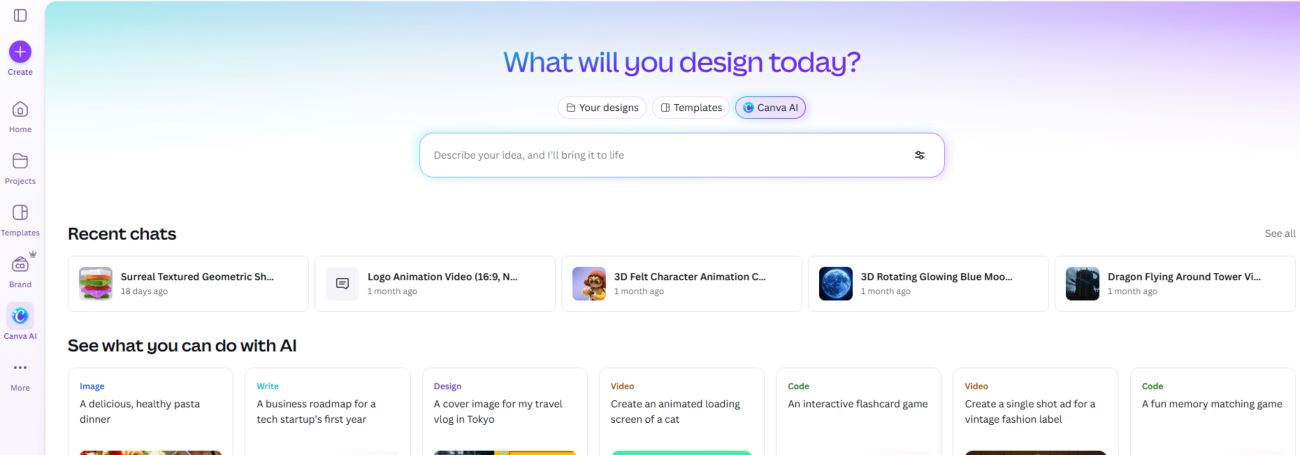
- Canva AI helps designers and marketers create social media creatives, advertisements, and complete brand kits while maintaining consistent colors, fonts, and layouts across all platforms.
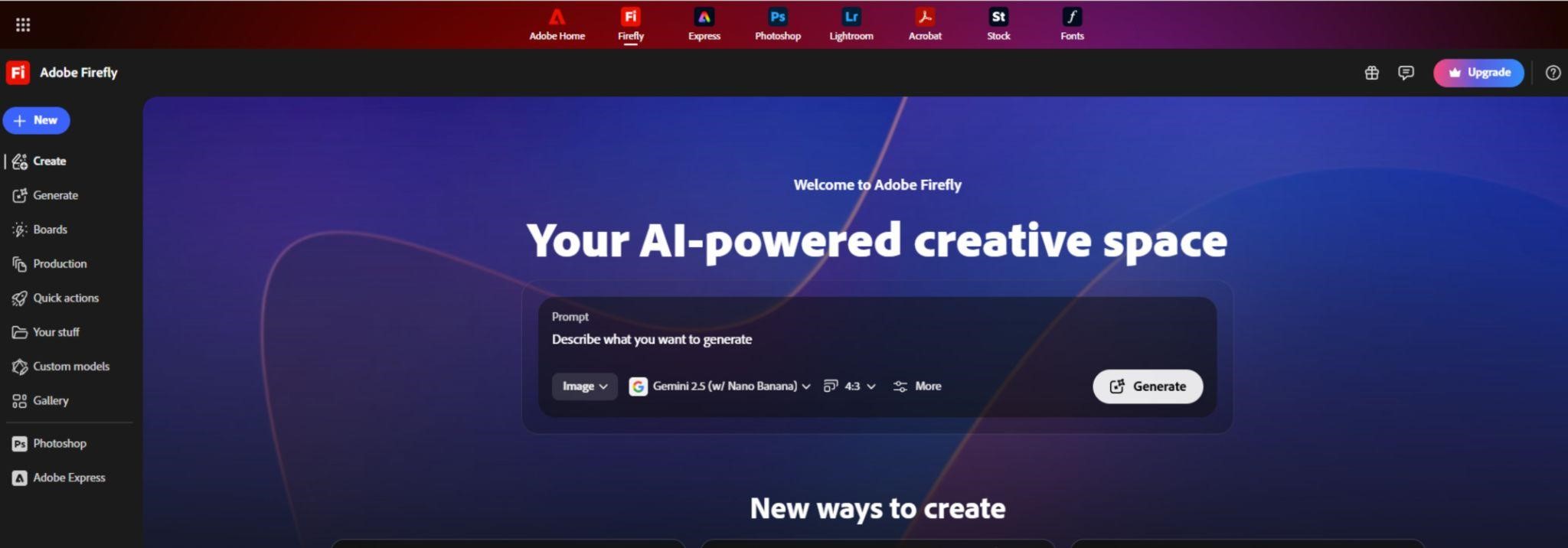
- Adobe Firefly supports AI based image generation, background editing, object replacement, and creative enhancements that speed up professional design workflows.
- ChatGPT assists with writing captions, scripts, content calendars, campaign ideas, and structured marketing content tailored to specific brand identities.

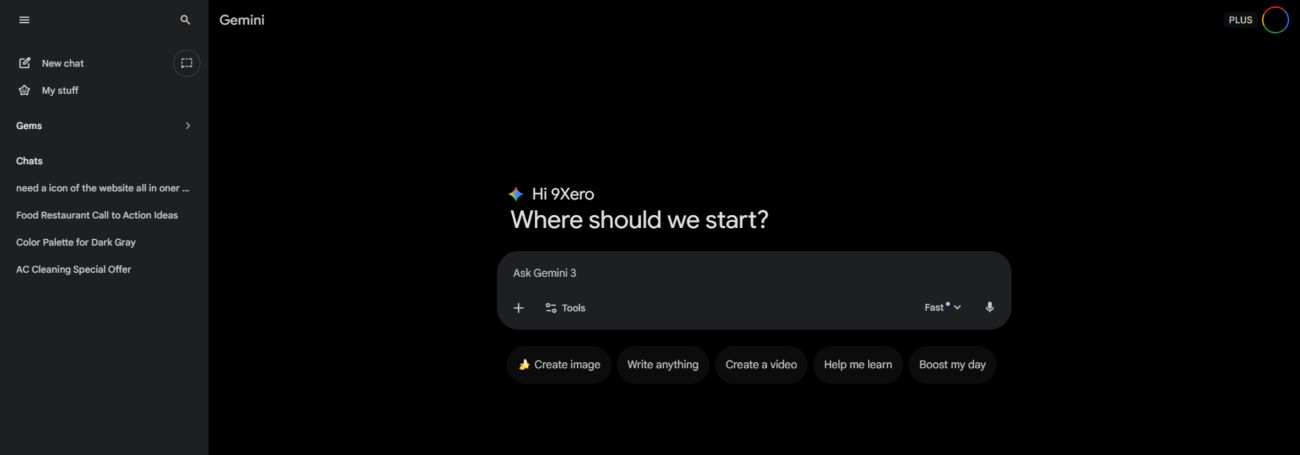
- Gemini supports marketing copywriting, creative ideation, research, and data driven insights to improve campaign planning and content strategy.
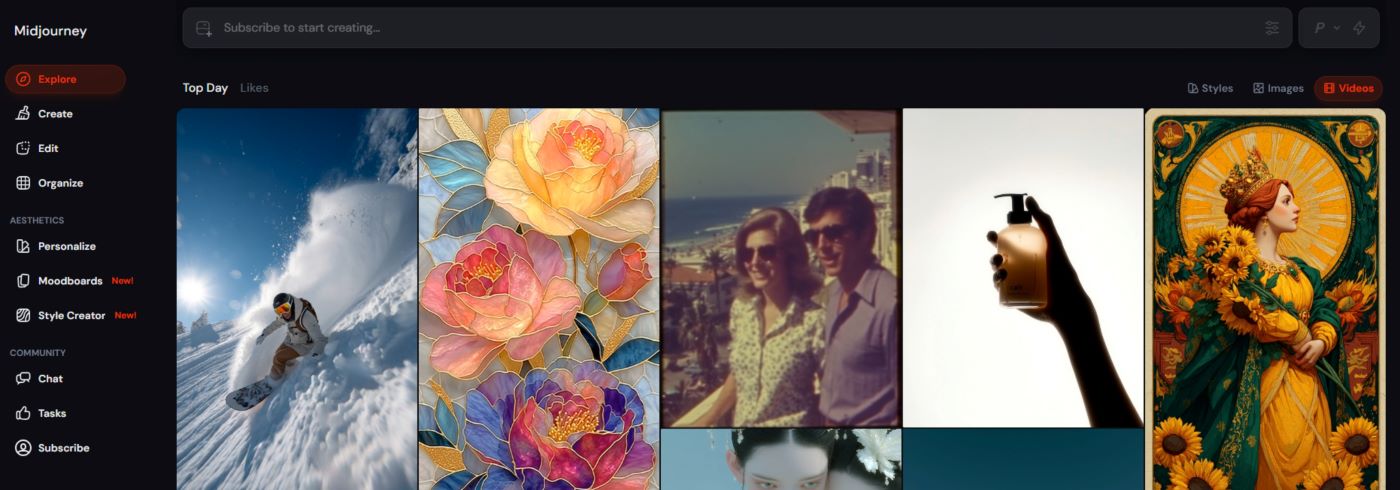
- Midjourney is used for visual concept creation, helping designers explore creative directions, mood boards, and experimental design styles quickly.
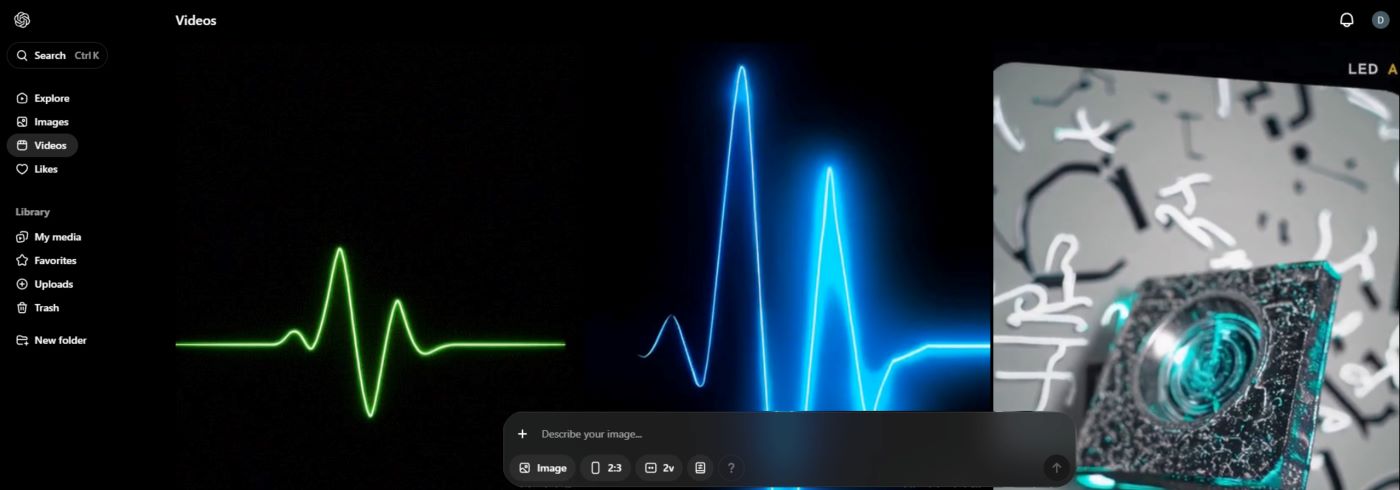
- Sora enables AI powered video creation, automation, and scene generation, allowing teams to produce high quality videos with less manual effort.
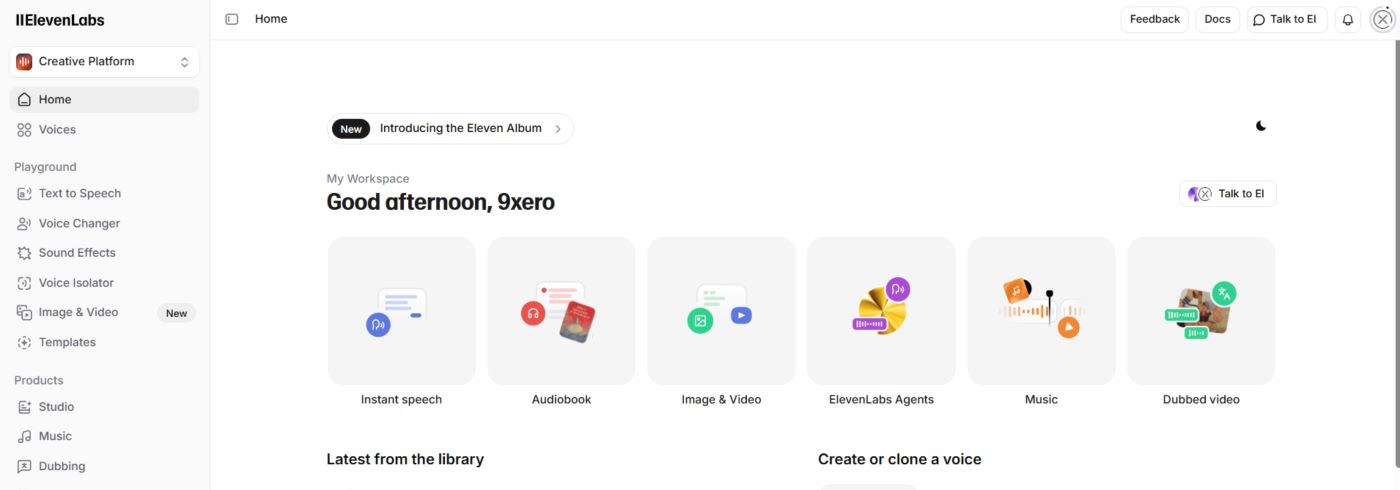
- ElevenLabs provides professional quality AI voiceovers in multiple tones and languages without the need for studio recording.
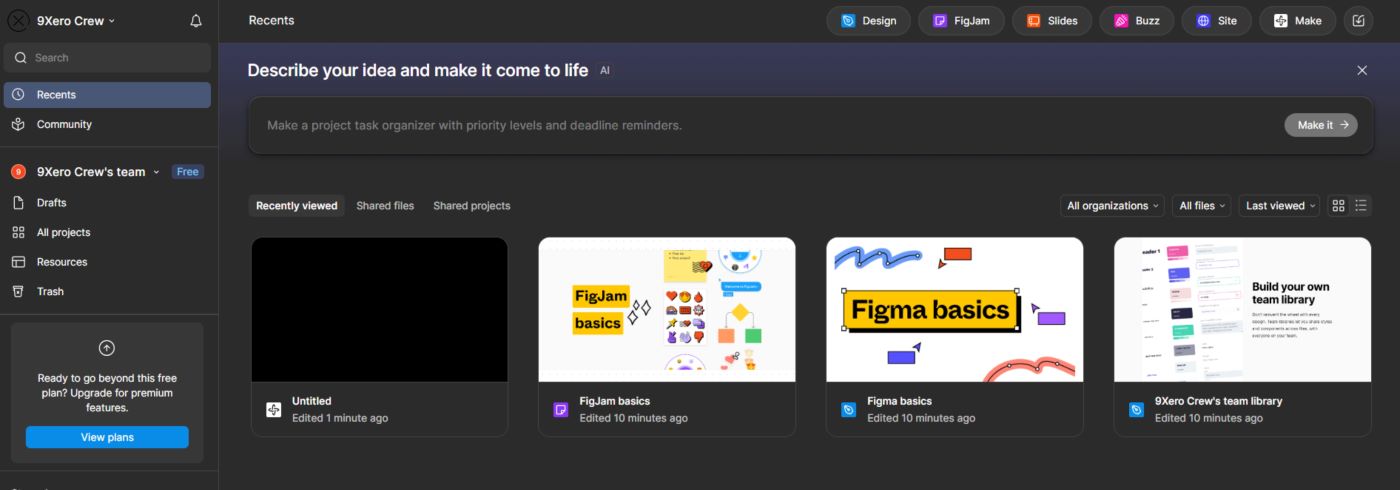
- Figma AI helps designers build user interface designs and landing pages faster by automating layout generation, wireframing, and design suggestions.
Many tools offer free versions, while paid and enterprise plans provide advanced features for teams and agencies.
How AI Design Tools Actually Work
Behind the scenes, AI design tools generate multiple creative outputs through structured prompts and feedback loops. Designers provide prompts, and AI generates multiple variations of visuals, videos, or text.
Text to speech models create natural sounding audio, while video and text based AI tools simplify complex tasks, save time, and automate repetitive work.
Skills Designers Need to Stay Ahead in 2026
To stay competitive in 2026, designers must evolve beyond execution skills.
- Writing effective AI prompts
- Strong storytelling and visual communication
- Ethical and responsible design practices
- Adapting to AI powered collaborative workflows
The Future of Visual Design in the Age of AI
The future of design belongs to teams that master human judgment while leveraging AI at scale. AI enables scalable creativity and real time personalization, while humans provide vision, strategy, and emotional depth.
Designers who combine strong fundamentals with multi-purpose AI tools will define the next generation of creative leadership.
Conclusion
AI in 2026 does not replace designers. It raises the baseline for what great design looks like. Designers who embrace AI for logos, brand systems, videos, and voiceovers can save time, scale creativity, and maintain strong brand consistency.
Human creativity remains the core driver, while like 9Xero turn AI into a structured and scalable growth advantage to keep projects organized, collaborative, and highly productive.